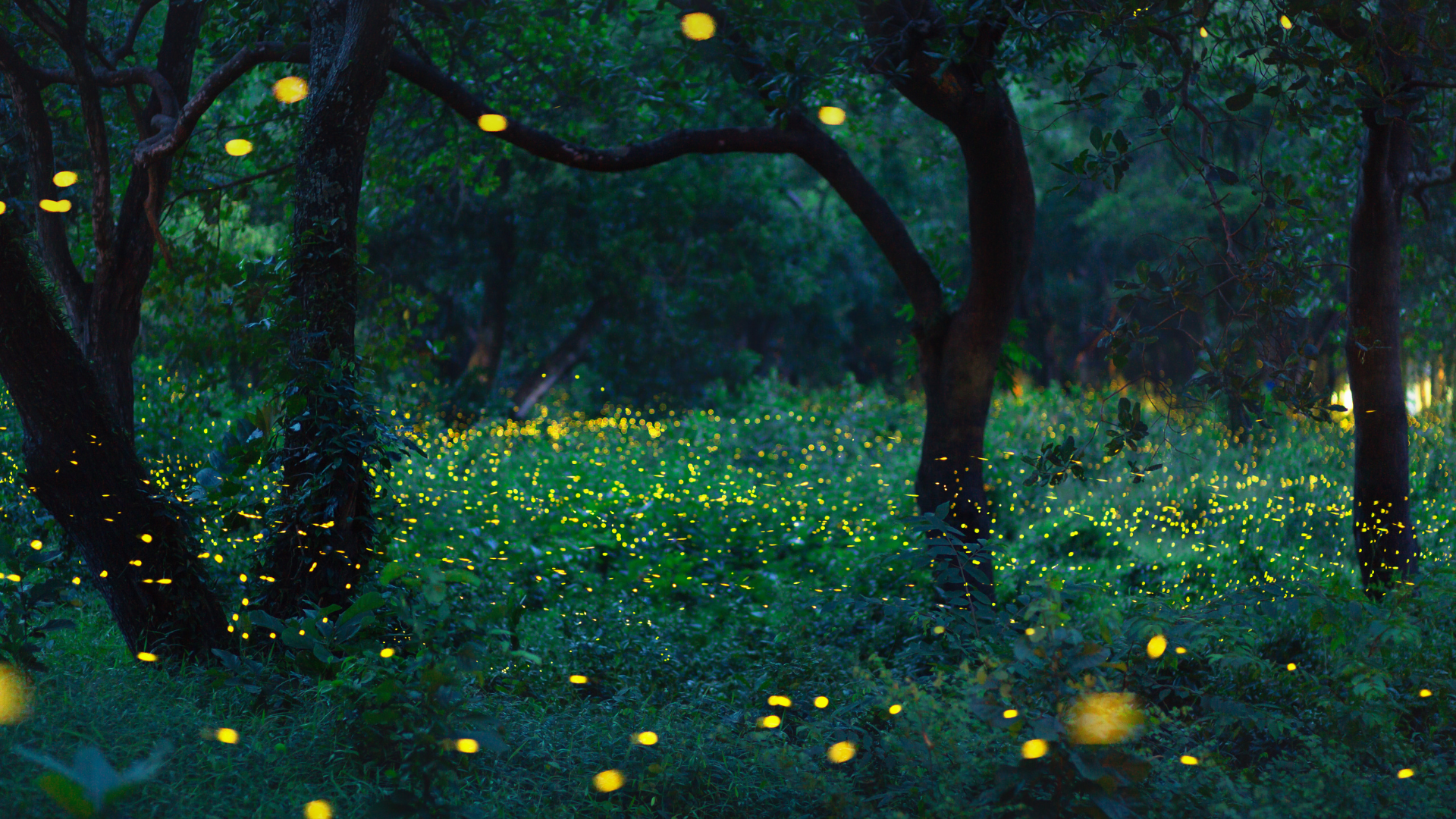
Few summer sights are as nostalgic as watching fireflies flicker across the yard after sunset. But for many South Texas residents, those tiny flashes have become increasingly rare. The good news is that a few simple changes to how you care for your lawn can help make your yard a welcoming habitat for these beloved insects.
Fireflies spend most of their lives on or beneath the ground, making healthy, undisturbed landscapes essential to their survival. While adult fireflies are best known for the glowing displays they put on during warm evenings, their larvae can spend months living in moist soil, leaf litter and other natural ground cover. By making a few simple changes to lawn care routines, homeowners can create an environment where fireflies are more likely to thrive.
Texas is home to more than 45 species of fireflies, and they can be found across roughly 80% to 85% of the state. For many Texans, watching fireflies light up the night on a warm summer evening is a cherished childhood memory shared across generations. Protecting their habitat today can help ensure that future generations experience the same magic.
Leave the leaves
One of the easiest ways to help fireflies is to resist the urge to keep a perfectly tidy yard. Fallen leaves, small twigs and other natural debris provide shelter for firefly larvae throughout the year. Instead of removing every leaf each fall, consider leaving a small area beneath trees or around garden beds undisturbed. That layer of organic material helps retain moisture and creates a safe place for young fireflies to develop.
Allowing leaves to gather and decompose naturally also allows for the soil’s nutrients to be replenished, creating the conditions for fuller, greener Summer yards.
Reduce pesticide use
Many lawn insecticides do not distinguish between pests and beneficial insects. Products designed to kill ants, grubs or mosquitoes can also harm fireflies at every stage of their life cycle. If pest control is necessary, experts recommend using targeted treatments only where needed instead of applying chemicals across the entire yard.
“So if you’re spraying anything to kill beetles, you’re killing fireflies, because fireflies are beetles essentially.”
Ben Pfeiffer, Firefly Conservation and Research founder, to Green Source Texas
Turn off unnecessary outdoor lights
Fireflies communicate by flashing unique light patterns to attract mates. Bright porch lights, landscape lighting and floodlights can interfere with those signals, making it harder for fireflies to reproduce. Turning off decorative lighting when it isn’t needed or switching to motion-activated fixtures can make a noticeable difference.
Reducing the amount of light pollution also creates additional environmental benefits for Texas wildlife, such as migrating birds that rely on the dark to navigate during their long journeys.
Let part of the lawn grow naturally
A well-mowed lawn offers little habitat for wildlife. Allowing a section of the yard to grow a little taller with native Texas grasses and wildflowers provides shelter for insects while also supporting pollinators. Even a small “wild corner” in your yard can create valuable habitat without making the entire place look overgrown.
A “wild corner” planted with native Texas grasses, wildflowers or shrubs also provides benefits beyond just helping fireflies. Native plants are well-adapted to the state’s climate and typically require less water than traditional turf grass, helping the soil retain moisture while reducing the need for frequent watering. Over time, that can lower water bills and help conserve one of Texas’ most valuable natural resources.
Habitat is important
Native plants are adapted to local soils and climate, making them an important part of a healthy ecosystem. Trees, shrubs, grasses and wildflowers native to South Texas provide food and shelter for a wide range of insects, helping create the diverse habitat that fireflies depend on.
Keep the ground moist
Fireflies thrive in damp environments. Their larvae need moist soil to survive, especially during hot, dry weather. Homeowners don’t need to overwater their lawns, but avoiding excessively dry conditions and maintaining mulch or leaf litter can help preserve the moisture fireflies need.
No single yard will bring back fireflies overnight, but small changes made by many homeowners can add up over time. By creating healthier habitats and reducing unnecessary disturbances, residents can help ensure that future summer evenings are once again filled with the familiar glow of fireflies drifting across neighborhood lawns.