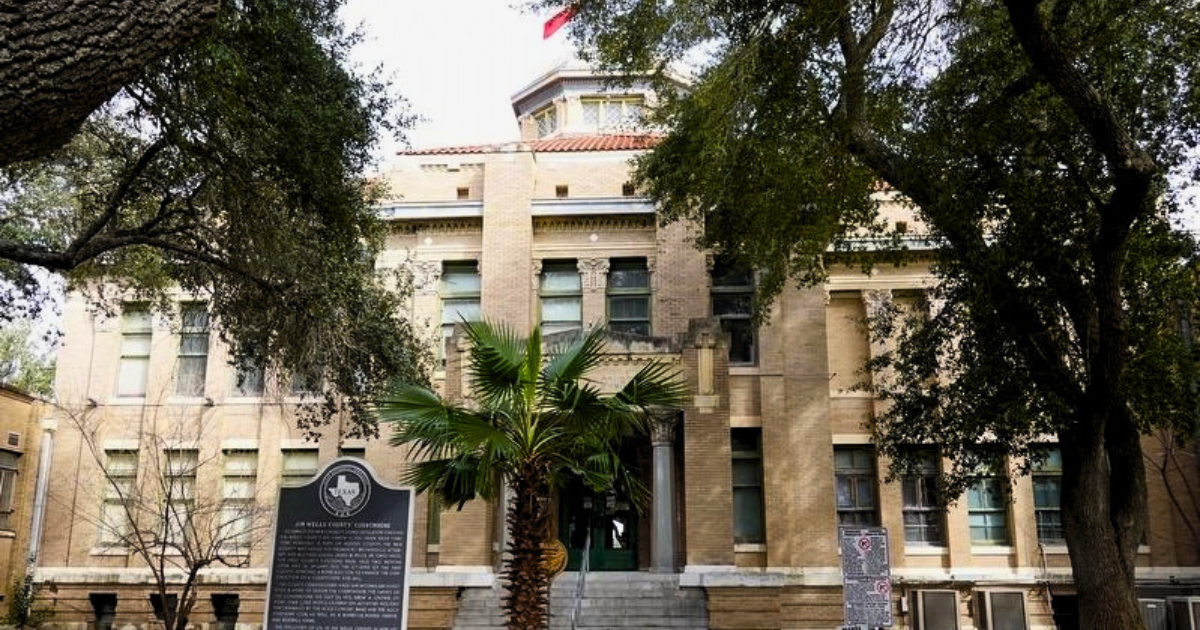
ALICE, Texas — The Jim Wells County Commissioners Court voted to adopt a property tax rate of $0.767802 per $100 of property valuation on Sept. 28 for the 2026 tax year, the same rate the county has maintained since 2024.
County Judge Pedro “Pete” Treviño Jr. said the decision is consistent with a financial plan developed after he took office in January 2023 and the county identified existing deficits and other financial challenges.
The plan called for maintaining the same property tax rate for three to four years while the county worked to improve its financial position without increasing the tax rate.
“The facts: Same tax rate — economic growth — no rate increase,” Treviño said in a statement.
Treviño said the county’s financial plan has progressed as intended and that, without financial challenges involving the Sheriff’s Department, the county could potentially have reached a balanced financial position by 2028.
The distinction between the tax rate and total property tax revenue is central to the county’s explanation.
A property tax rate can remain unchanged while the amount of revenue collected increases as property values rise. As the local tax base grows, the same rate applied to higher property valuations can generate additional revenue for the county.
Treviño also noted that Texas’ property tax system requires revenue resulting from increased property values to be reflected through the statutory property-tax rate process. As a result, an increase in the amount of property tax revenue collected can sometimes be characterized as a property tax increase even when the taxing entity has not increased its adopted tax rate.
For Jim Wells County, the adopted rate remains $0.767802 per $100 of valuation.
The county’s continued effort to maintain the same rate while addressing its financial position represents a significant component of its longer-term budget strategy. Rather than relying solely on a higher tax rate to address financial needs, county officials have been working to improve the county’s finances while accounting for changes in revenue, expenses and unexpected costs.
Treviño pointed to the county’s financial experience in 2016 as an example of why Commissioners Court must remain prepared for economic downturns and unforeseen expenses.
The county’s progress toward balancing its budget comes after years of financial challenges and reflects an ongoing effort by county officials to bring revenues and expenditures into better alignment.
While the county still faces financial pressures, maintaining the same tax rate while working toward a balanced budget is a notable development in its broader fiscal management efforts.
For residents, the lack of a property tax rate increase provides a form of relief as the nation navigates yet another wider economic recession.