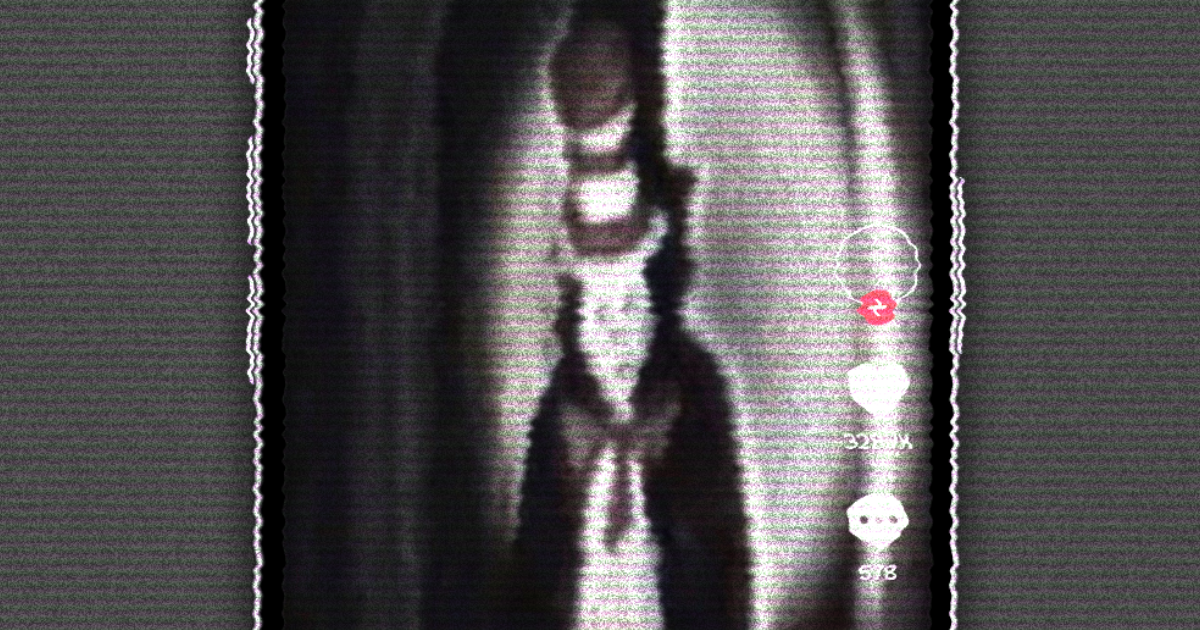
A disturbing social media trend involving the Cat in the Hat, a fictional character created by children’s author Dr. Seuss, has been circulating online in recent days, prompting warnings from several South Texas school districts and concern among parents about what kind of content their children encounter on social media.
The trend consists of a mixture of frightening videos, alleged sightings, and claims involving schools and communities. Some of the videos from the trend tag the usernames (@) of a group of students, which is how it spreads to new communities.
While the viral trend itself is real, there is no verified evidence that the fictional character depicted in the posts represents a coordinated threat targeting students — still, officials across South Texas are not taking any chances and have responded to these posts by alerting law enforcement and coordinating on student safety.

The Alice Police Department released a “safety alert” on social media, warning about the potentially dangerous consequences of this trend and providing guidelines for parents to keep their kids safe online and offline.
How the trend began
The trend appears to have grown out of videos using footage from the 2003 film The Cat in the Hat, starring Mike Myers.
Users have edited scenes from the movie into horror-style videos, sometimes presenting them as unsettling “found footage.” Other posts use digitally altered or AI-generated images and videos to depict the character in locations or situations that never occurred.
As the trend spread, some posts began claiming that the Cat in the Hat had been seen in particular neighborhoods, towns or near schools. That has made the trend more concerning than a typical internet meme.
A familiar pattern on social media
The current Cat in the Hat situation bears similarities to other viral internet scares in which a real piece of online content became surrounded by increasingly alarming claims. Readers may recall stories of ‘Slenderman,’ a viral early 2010s copypasta that led to the inspiration of a real-world incident.
As posts are shared from one account to another, the original context can disappear. A fictional video can become a purported real-world sighting, which can then become a warning shared by parents or community groups. The resulting concern can be very real even when the original claim is not.
For families, the best response is to remain alert without automatically assuming that everything circulating online is accurate.
Parents who encounter a post containing a specific threat against a school, student or community should preserve the information and report it to the appropriate authorities rather than sharing it further.