Photo by Elsa Olofsson / CBD Oracle
Texas residents who purchased hemp-derived THC products legally just days ago may now face criminal penalties for possessing many of those same products. Beginning today, July 31, state regulations classifying delta-8 THC and numerous other hemp-derived cannabinoids as Schedule I controlled substances take effect, prompting law enforcement agencies across the state to warn consumers about potential criminal violations.
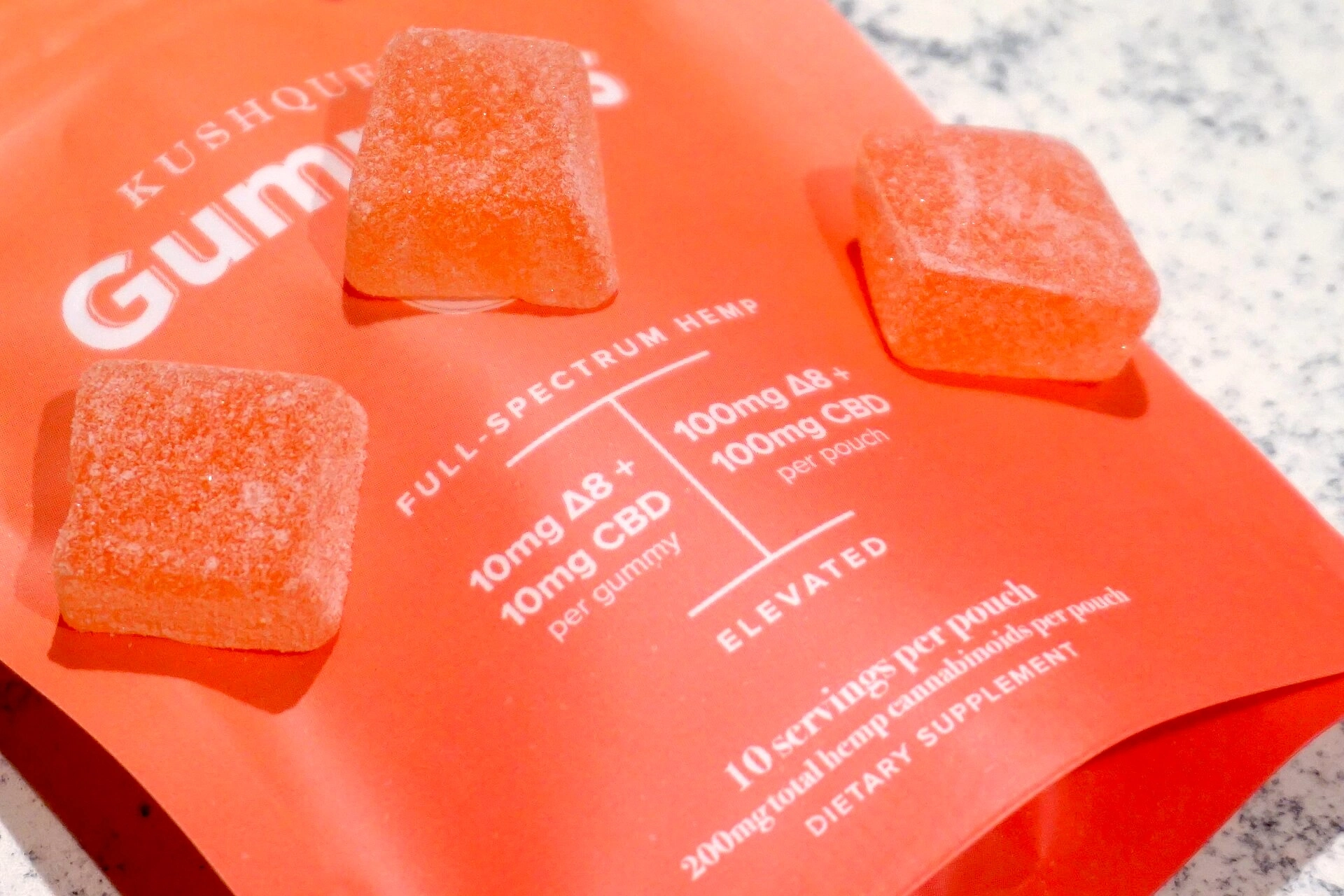
The new measures from the Texas Department of State Health Services (DSHS) limit which THC products retailers can sell in the state. The new rules target intoxicating cannabinoids that are manufactured or chemically converted from hemp-derived cannabis. This means that products containing delta-8 THC, delta-10 THC, THCP, HHC, THC-O, and most other chemically converted THC are no longer legal to sell in Texas. Depending on the specific product and circumstances, possession of prohibited products may also carry criminal penalties.
Products containing delta-8 THC and other hemp-derived cannabinoids were legalized after Congress passed the bipartisan 2018 Farm Bill, which legalized hemp by defining it as cannabis containing no more than 0.3% delta-9 THC by dry weight. Because the law focused specifically on delta-9 THC, manufacturers began producing intoxicating cannabinoids such as delta-8 THC by chemically converting hemp-derived CBD into other compounds. Retailers across Texas and much of the country have sold these products for several years, despite ongoing legal disputes over whether they were authorized under federal and state law.
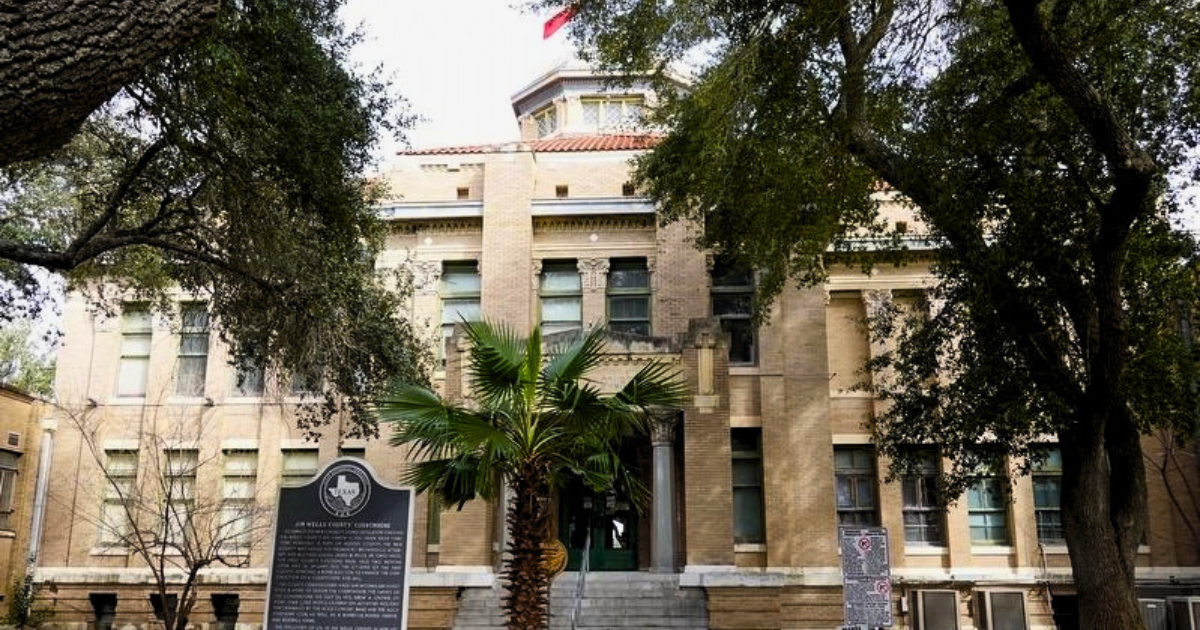
Law enforcement agencies, including the San Antonio and Austin police departments, have said they will enforce possession of newly prohibited hemp-derived THC products under the Texas Controlled Substances Act. Police have warned that some products previously sold legally in smoke shops could now expose consumers to criminal charges. When reached for comment, Alice police chief Eden Garcia said the department was meeting to discuss the new development. As of the publishing of this article the department has not provided a statement to The Reporter.
What was once pitched as just a change to statewide health rules, has turned into a serious criminal justice concern. Many law-abiding South Texas residents who once used legal products recreationally or to treat medical conditions could now face serious legal consequences for simply possessing a product that was once legal.
A coalition opposing these new rules has emerged, from business owners, to criminal justice advocates, and even veterans are organizing to stop these new rules. Some groups and individuals have even filed lawsuits against the State of Texas, in an attempt to reverse this rule change. Civil rights groups and democracy advocates have also criticized state bureaucrats for circumventing public consent during this process, arguing that voters did not decide to outlaw these products, nor was any legislation signed into law.
For years, Texas policymakers have defended some of the nation’s strictest marijuana laws while resisting broader medical access and criminal justice reforms adopted elsewhere. The latest crackdown on hemp-derived THC products is another example of a state policy approach that places criminal penalties ahead of regulation, harm reduction, and individual liberty.